Regular countertop payment systems basically lock businesses down to one spot, so they can only make money where their terminal happens to be sitting around. Portable credit card readers change all that though, letting folks do safe and professional transactions pretty much wherever they want to go. Think about it: farmers markets, clients' offices, construction sites, even those temporary pop up shops we see everywhere these days. Technicians who work out in the field, street vendors selling stuff from their trucks, and people running businesses from home don't have to stick with just taking cash anymore. Cash only setups tend to scare off customers and slow down when money actually changes hands. Take HVAC companies for example. Some repair services started using portable readers and saw their remote service appointments jump by about 30 something percent. Why? Because once the job gets done, the technician can just process the payment right there on site, which means what used to be just a service call becomes an actual sale completed.
Businesses that can't move with their customers pay a real price for it. According to a recent survey by the National Association for the Self-Employed in 2024, about three quarters of small businesses actually lost money whenever they couldn't take credit cards at locations beyond where they normally operate. Most of these losses happened because people just walked out or abandoned their purchases entirely when all that was available was cash. Younger folks really drive this trend too. A whopping two thirds of shoppers between 18 and 34 years old simply won't stick around if there's no way to pay without touching anything. Food trucks that started using those little portable payment devices noticed something interesting happening pretty quickly. Their daily earnings went up around 22% in just a few weeks time. But wait, this wasn't because more people showed up. Instead, it turned out that getting rid of those pesky payment hassles helped capture sales that would have otherwise gone uncollected right then and there.
Today's mobile payment devices bring together three key tech components. First there's NFC, which lets people just tap their card or phone to pay quickly. Then we have EMV chips that actually change the data each time, making it really hard for fraudsters to copy cards. And finally, Bluetooth 5.0 connects these devices to phones and tablets reliably even when signals are weak, something that happens all the time at music festivals or inside delivery trucks where metal walls block signals. All this means goodbye to old fashioned card swiping. The new system works faster, keeps information safer, and pretty much everyone accepts it now. No need for counters, cords, or settling for second best anymore.
When it comes down to it, speed matters for making money. Companies that switch to portable payment readers can handle transactions about 40 something percent quicker compared to old fashioned terminals or when staff have to enter info manually. This cuts down on waiting around during busy periods and keeps fewer customers walking away frustrated. The benefits stack up too. According to Square's research, shops with contactless options see their average sales jump by roughly 25-30% because people tend to grab extra items at checkout, upgrade services, or go for package deals when paying is so straightforward. Bottom line? Getting rid of those annoying payment hurdles doesn't only make things move faster at the register, but actually makes shoppers open to buying more stuff they didn't originally plan on purchasing.
Getting a portable credit card reader shows that a business knows what it's doing and cares about customers, which are pretty much essential for building trust these days. According to the Fed's 2024 Payments Study, around two thirds of Americans have started going for contactless payments instead of using cash or those old magnetic stripe cards. People aren't just looking for something quick anymore though. When someone walks into a store and sees no sign of modern payment options, they start wondering if the place even cares about security or if it's just stuck in the past. Customers want to feel their money is safe and that their time matters to whoever they're dealing with.
When customers see a sleek, familiar tap-to-pay interface—whether at a booth, in a driveway, or mid-consultation—they register the interaction as professional, safe, and aligned with their digital habits. That perception directly strengthens brand credibility and reduces perceived risk in first-time engagements.
When transactions happen without friction, they actually change how people behave long after buying something. Retailers notice that customers tend to pick those extra options more often, such as getting an extended warranty or paying for professional setup, whenever the payment just flows right along with the service itself. Take a look at what Mobile Commerce Insights found back in 2024 too. They reported that when checkouts run smoothly, businesses see around 31 percent more good reviews and recommendations from clients afterward. People remember these happy shopping moments better, and they're simply more inclined to tell others about their trouble-free experiences.
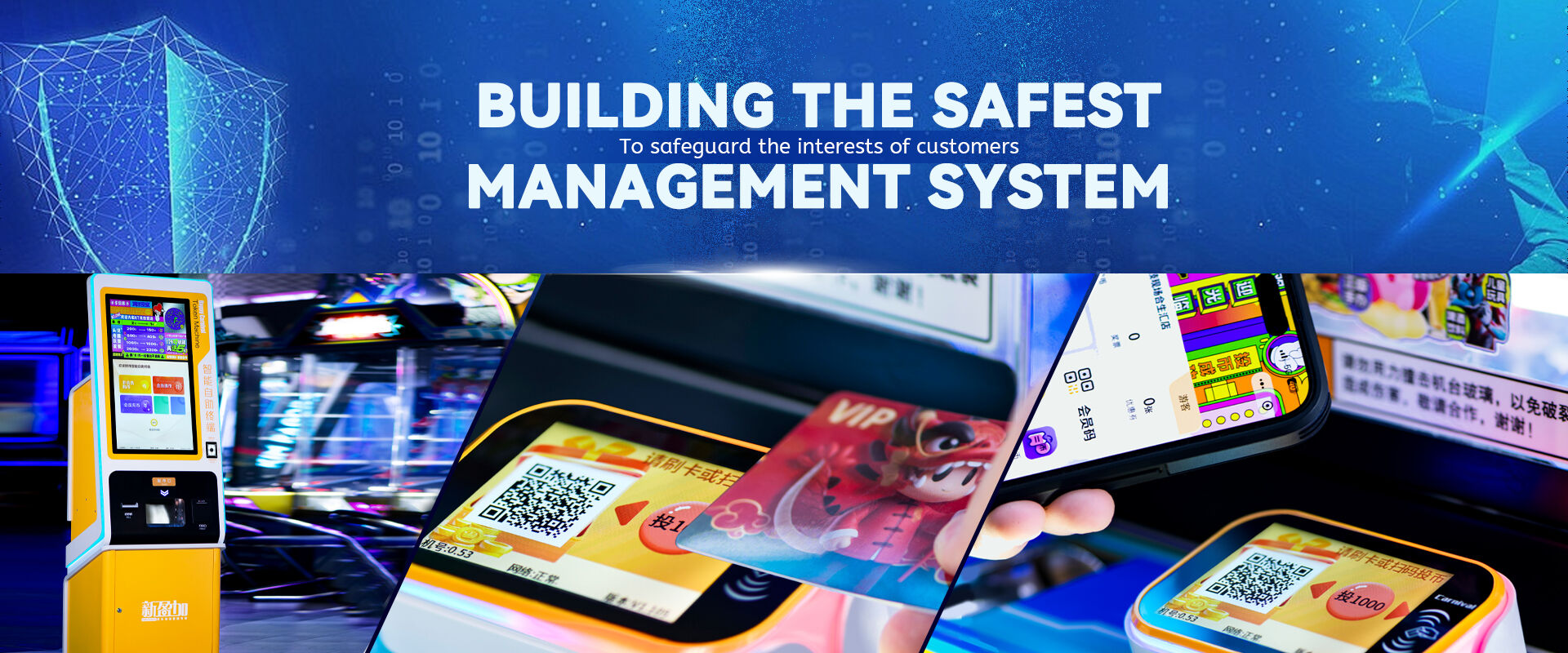
In today's world, security is no longer something companies can ignore if they want to stay competitive. When selecting portable payment readers, look for ones equipped with end to end encryption. This technology basically scrambles credit card information right when it gets scanned and keeps it protected all the way through to the payment processor. Combine this with tokenization features too. What happens here is simple: instead of keeping actual account numbers around, systems substitute them with temporary digital codes. If hackers ever manage to steal these tokens, they won't be able to do anything useful with them. Real time fraud detection adds another layer of protection by using artificial intelligence to analyze things like where transactions are happening, how fast they occur, what devices are involved, and even user behavior patterns. This helps spot suspicious activity long before anyone authorizes a transaction. The good news? These security measures align with new PCI DSS 4.0 standards coming into effect next year. Businesses that fail to comply risk facing monthly fines as high as $100k plus serious damage to their reputation. Companies that implement all three layers of defense have seen breach response times cut down by almost 98%, according to recent research from the PCI Security Council.
Broad wallet and platform support should be at the top of the priority list. Check if NFC works properly with major digital wallets like Apple Pay, Google Pay, and Samsung Pay, not just physical credit cards. The Bluetooth connection needs to be version 5.0 or newer so devices can reliably pair within about 30 meters away. This matters especially when people are moving around in cars or at events outdoors. For operating system requirements, most smartphones need iOS 14 or later versions while Android users generally require Android 10 or above to get all features working correctly, including fingerprint scanning and backup options when offline. According to recent data from the Federal Reserve (2024), nearly two thirds of shoppers have switched to contactless payment methods these days. So having good cross-platform support isn't something we're preparing for tomorrow anymore—it's actually necessary right from the start to keep things running smoothly. Before going live, it makes sense to do some real world testing on different devices used by the team. Also setting up automatic software updates helps maintain proper certifications and keeps everything compatible across various digital wallets.

 EN
EN