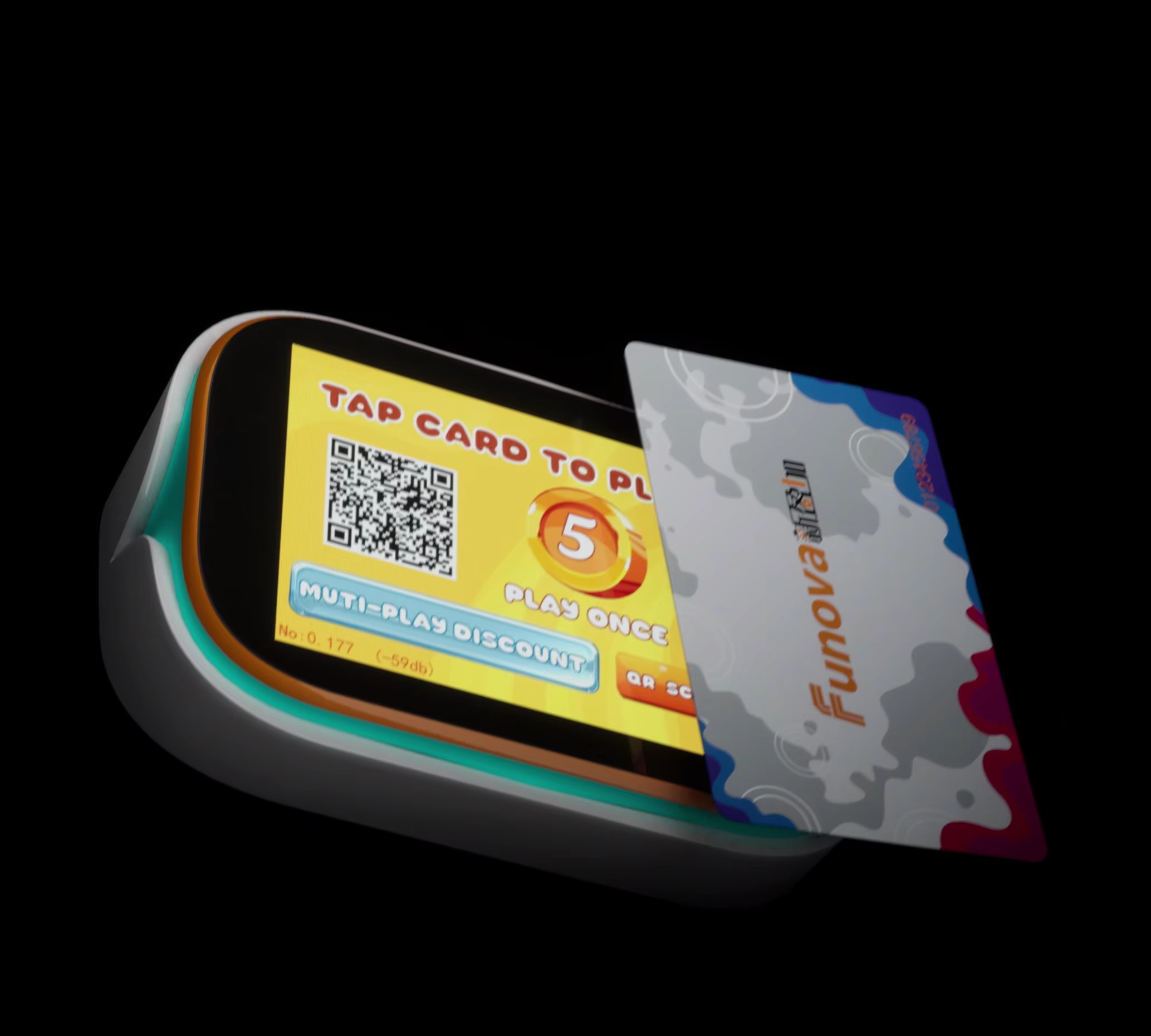
Arcade machines with built-in card readers handle payments through three main steps: first checking if the card is valid, then making sure there are enough credits available, and finally starting the game. When someone swipes their membership card, the machine talks to a secure server to confirm everything is set up correctly on their account. According to recent market research from last year, these systems now finish all this in less than half a second which keeps lines moving smoothly at busy arcades. Once everything checks out, the game starts running while automatically taking away whatever credits were needed. All those transactions get saved in online storage so managers can track usage patterns and revenue across different locations almost immediately.
This standardized workflow reduces activation failures by 62% compared to legacy token systems (Amusement Industry Report 2023).
Each interaction generates a 7-point data trail:
Data transmits via TLS 1.3 encryption to centralized servers, where machine learning algorithms detect usage patterns for personalized promotions. A leading amusement operator in Africa reported 27% higher player retention after implementing this tracking model (2023 case study).
Modern embedded arcade card reader systems require feature sets that balance security, interoperability, and operational visibility. Below are three mission-critical capabilities for operators deploying these solutions.
Top systems these days mix RFID or NFC card checks with biometric scans for extra security layers. The combination stops people from sharing access cards and lets each user have their own profile settings. Family entertainment places saw a boost of around 23% in return customers after implementing this kind of system. Most modern setups come with membership dashboards where folks can keep tabs on their reward points accumulation. For the business side, these platforms offer better control over different reward levels and customer segments. Anyone looking at security options should definitely check if a system supports multiple verification steps. This isn't just good practice anymore it's becoming necessary as payment security standards continue changing across industries.
Seamless synchronization across four operational layers is non-negotiable:
This interoperability eliminates manual reconciliation errors that cost arcades up to $740 daily in operational waste (Ponemon 2023). Cloud-based systems now enable centralized rule configuration across mixed hardware generations.
Advanced systems process over 450 transactions per minute with less than 10ms latency, capturing granular play patterns for compliance and analytics. Look for solutions with:
Real-time monitoring capabilities have proven particularly effective, reducing fraudulent transactions by 68% in amusement parks adopting these systems since 2022.
Setting up an embedded arcade card reader system means getting hardware specs, software protocols, and payment gateways to work together smoothly. First things first, check what communication standards different devices use. Make sure everything can talk to each other through TCP/IP or BLE so they stay synced in real time. Standardized APIs help connect old school arcade machines with new card readers. According to Global App Testing from last year, this approach cuts down integration problems by around 40% when dealing with mixed setups. And don't forget about thorough testing before going live. The system needs to prove it works reliably across all possible scenarios.
25% of arcade operators report interoperability issues when combining newer card readers with decade-old arcade PCs (Kvy Technology 2023). Mitigate this by:
For example, systems employing cross-platform SDKs reduced integration errors by 63% in multi-vendor setups.
Connect card readers to POS terminals through shared tokenization protocols, allowing players to redeem credits both at kiosks and via mobile apps. Key requirements include:
Proprietary APIs often provide tighter game-engine integration but create vendor lock-in—a critical concern as 68% of arcades plan to expand payment options by 2025 (Ponemon 2023). Open RESTful APIs enable:
Prioritize systems offering modular API gateways that allow incremental upgrades to contactless payments or biometric authentication.
When arcade owners combine their transaction records, player stats, and machine health info on one screen, they typically cut down on repair bills by about 18% and keep games running longer according to GlueUp research from last year. Having everything in one place means no more scattered information throughout those old card readers inside each game. Operators can now check how well games are performing, spot payment problems, and track what players actually enjoy all from the same screen. Take for instance when someone collects all those failed credit card swipes from over fifty machines. That kind of insight lets them know which machines need fixing right away instead of waiting until busy times when customers start complaining.
Modern systems track average session duration, spending patterns, and reward redemption rates to identify high-value player segments. Operators using behavior-driven campaigns report a 23% increase in repeat visits (Ponemon 2023). Real-time spend alerts and customized bonus offers—such as “Unlock 2X points in the next 15 minutes”—boost average revenue per user.
A Midwest entertainment venue increased quarterly revenue by $86k after integrating predictive analytics with their embedded arcade card reader system. The system flagged underperforming games (‹12% engagement) and automatically triggered promotions during slow periods, increasing off-peak revenue by 34%.
Transaction data gets encrypted from start to finish using AES-256 standards, while audit logs stick around long enough to meet those PCI DSS requirements. We've put role-based access controls in place so only certain people can see sensitive information, which cuts down on breach risks quite a bit actually. Studies show this approach reduces problems by about 41% when compared to older decentralized systems according to Verizon's report last year. And don't forget about regular penetration tests either. These help find weaknesses in payment gateways or user databases before they become big issues, usually fixing them within two days at most. That kind of proactive security makes all the difference in keeping customer information safe.
With cloud based management systems, operators get a central view of all those embedded arcade card readers spread across different locations. This means better consistency in how things run while cutting down on the need for someone to physically check each machine. The platforms track transactions as they happen, spot potential fraud automatically, and keep membership info updated across the board. When it comes time to expand operations, there's almost no hassle involved. Want to install more card readers? Or maybe add a loyalty program? No need to replace existing hardware. Just tweak settings online and watch costs drop significantly compared to old school methods. Some businesses report savings around 45% when switching from traditional setups to these modern solutions.
Cloud architectures enable simultaneous firmware updates across hundreds of machines, eliminating the need for on-site technicians. Maintenance teams resolve 92% of card reader connectivity issues remotely via diagnostic dashboards, ensuring 24/7 operational readiness. Real-time alerts for declining payment success rates or abnormal swipe patterns allow proactive maintenance before issues affect players.
More than half of all arcade game centers these days are going with what's called hybrid cloud setups. They keep local servers running so credit cards get approved quickly at the machines, but they also hook into the cloud for looking at how players actually behave when they're gaming. The big plus here is that transactions happen really fast now, down to less than a third of a second wait time. Plus operators can still manage their loyalty rewards programs from one central place across multiple locations. Arcade owners who switched early tell us their security updates roll out about 30% quicker than those stuck with old fashioned on site systems. Makes sense really - nobody wants to wait forever for their tokens or have their payments rejected because the system is lagging behind.

 EN
EN