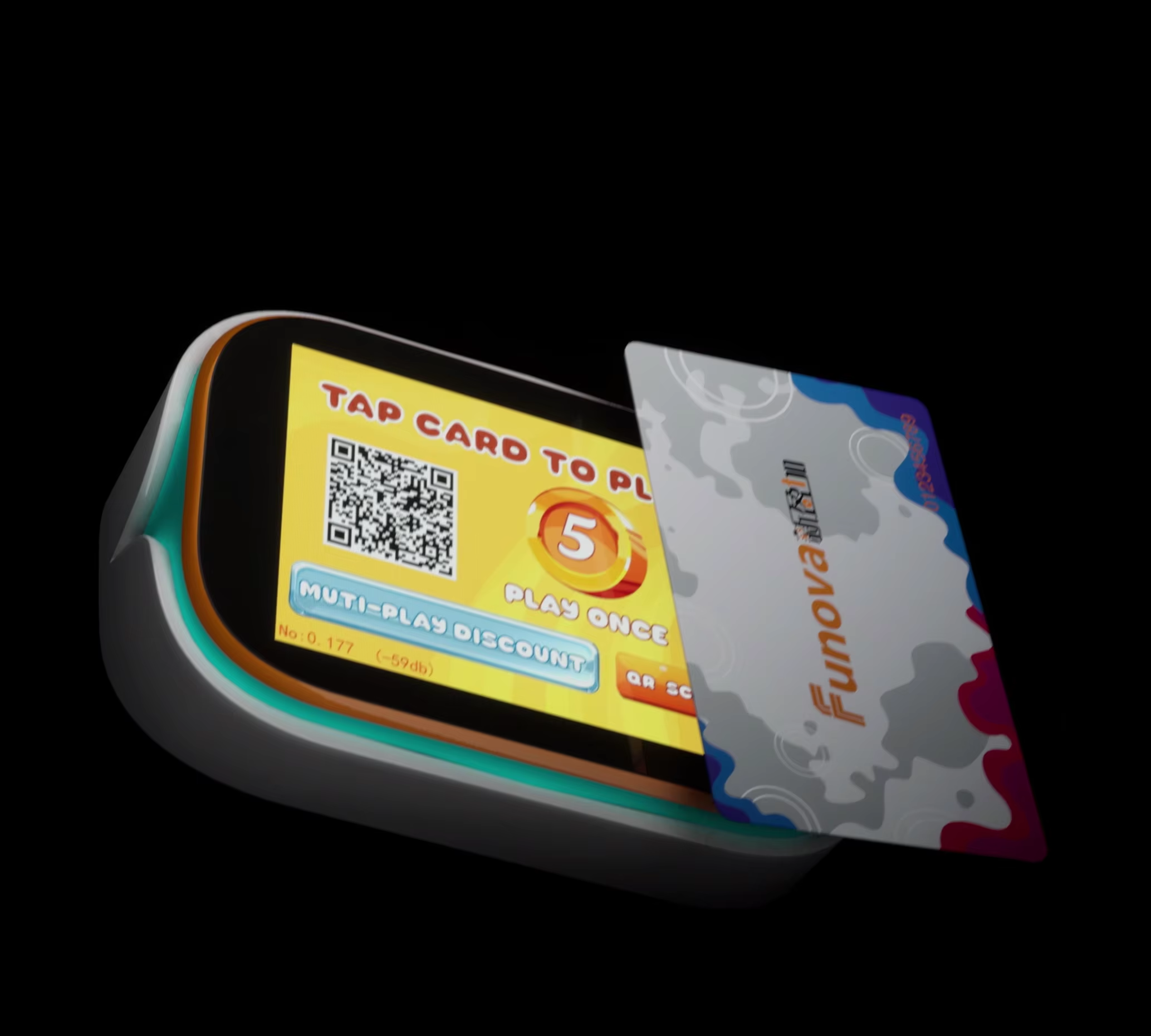
Arcade game cards have those magnetic stripes on them that actually hold information thanks to tiny iron particles lined up along three different tracks. When someone slides one of these cards through the machine, the reader picks up on the magnetic patterns and turns them into electronic signals which then give players their game tokens. These days, most machines come with what's called high-coercivity or Hi-Co stripes rated around 2750 Oersteds. This makes them much harder to accidentally wipe out and they can handle over 250 swipes each month without wearing down too fast, which is exactly why they work so well in busy arcades where lots of people are constantly playing games.
Arcade magstripe readers check cards in less than 400 milliseconds by matching information from either local servers or those in the cloud. The speed of this process makes it work really well with bill acceptors, so when someone drops cash in, it gets turned into stored credits almost right away. Take a $20 bill for instance it usually translates to about 200 credits going straight onto what's called track 3 of the card. Players then don't need to keep swiping their cards between different machines, which keeps the whole gaming experience smooth and uninterrupted.
Most family entertainment centers now rely on magnetic stripe technology for their timed play options and membership programs. These systems work alongside coin acceptors so visitors can pay with either cash or cards at the front desk kiosks. Once loaded, the same card works throughout all the different rides and games inside. A recent look at the industry from last year showed something interesting too. FECs that ran promotions based on magstripe tech, such as offering "buy two hours, get thirty minutes extra" deals, actually saw their customer return rates jump anywhere between 12% to almost 30%. The folks running these places find it easier to track who's using what and when they redeem their rewards, which makes managing the whole operation much smoother day to day.
Most amusement parks now use magnetic stripe cards as their main way to handle payments and manage access across all the attractions, games areas, and restaurants. Switching from old token systems has cut down waiting times at queues by around 18 to 22 percent according to industry data from 2023, plus these cards still work fine with the older coin machines that many parks have installed. For visitors staying multiple days, those special wear-resistant Hi-Co cards really stand out. They hold up well against both humidity and heavy foot traffic, which makes sense given how often they get used throughout the day in busy park environments.
Magnetic stripe cards have become pretty common at places like mini-golf courses and laser tag arenas where they turn regular visits into something more engaging for customers. When someone finishes a round or gets a good score, those points get stored right on their card and can be swapped out for various treats later on. Business owners tell us that when they set up these reward tiers, people tend to spend around 31% more money overall during their visits. Another nice thing about these old school magstripe systems is how easy it is for employees to hand out new cards whenever someone loses theirs. Just slap another one onto the reader and boom, business continues as usual without any hassle.
Dining-and-play facilities use magnetic stripe systems to link gameplay behavior with dining purchases. By analyzing swipe data, managers identify peak usage patterns and align staffing and promotions accordingly. For instance, discovering that 68% of players buy snacks within 20 minutes of starting play enables targeted upselling through integrated POS platforms.
Magstripe cards tend to wear out pretty fast when people keep swiping them again and again, which means businesses end up spending more on repairs and replacements. According to industry numbers, magnetic stripe readers need replacing about three times more often than RFID systems do within just five years of operation. The reason? RFID works without direct contact between card and reader, so there's no mechanical parts breaking down over time. That makes RFID a much better choice for places where thousands of transactions happen every week, like busy retail stores or transportation hubs. Of course, if handled carefully, regular magstripe cards will still hold up for around 18 to 24 months in locations where they aren't used constantly throughout the day.
Magnetic stripe systems offer significantly lower entry costs, requiring 60–70% less initial investment than RFID. They integrate smoothly with legacy bill acceptor infrastructure, avoiding costly full-system upgrades. In contrast, RFID becomes economically advantageous at scale; chains operating 15+ locations typically save 22% annually on card replacements and fraud prevention.
RFID provides superior security through encrypted data transmission, reducing skimming risks by over 60% compared to magnetic stripes—making it preferable for high-value reward ecosystems. Magnetic systems counterbalance this with reliable offline functionality during network outages, though operators should expect annual fraud-related losses between 8–12% of revenue.
About 30 percent of family entertainment centers still stick with magnetic systems because guests know how they work and staff don't need much training. A regional manager shared that their magstripe readers stayed online about 98% of the time during busy hours, versus only 91% for RFID equipment. They think this has something to do with how simple the magnetic tech actually is mechanically speaking. Even though RFID is becoming more popular year after year (around 19% growth), most places that rely heavily on cash transactions prefer making small upgrades rather than switching out entire systems completely.

 EN
EN