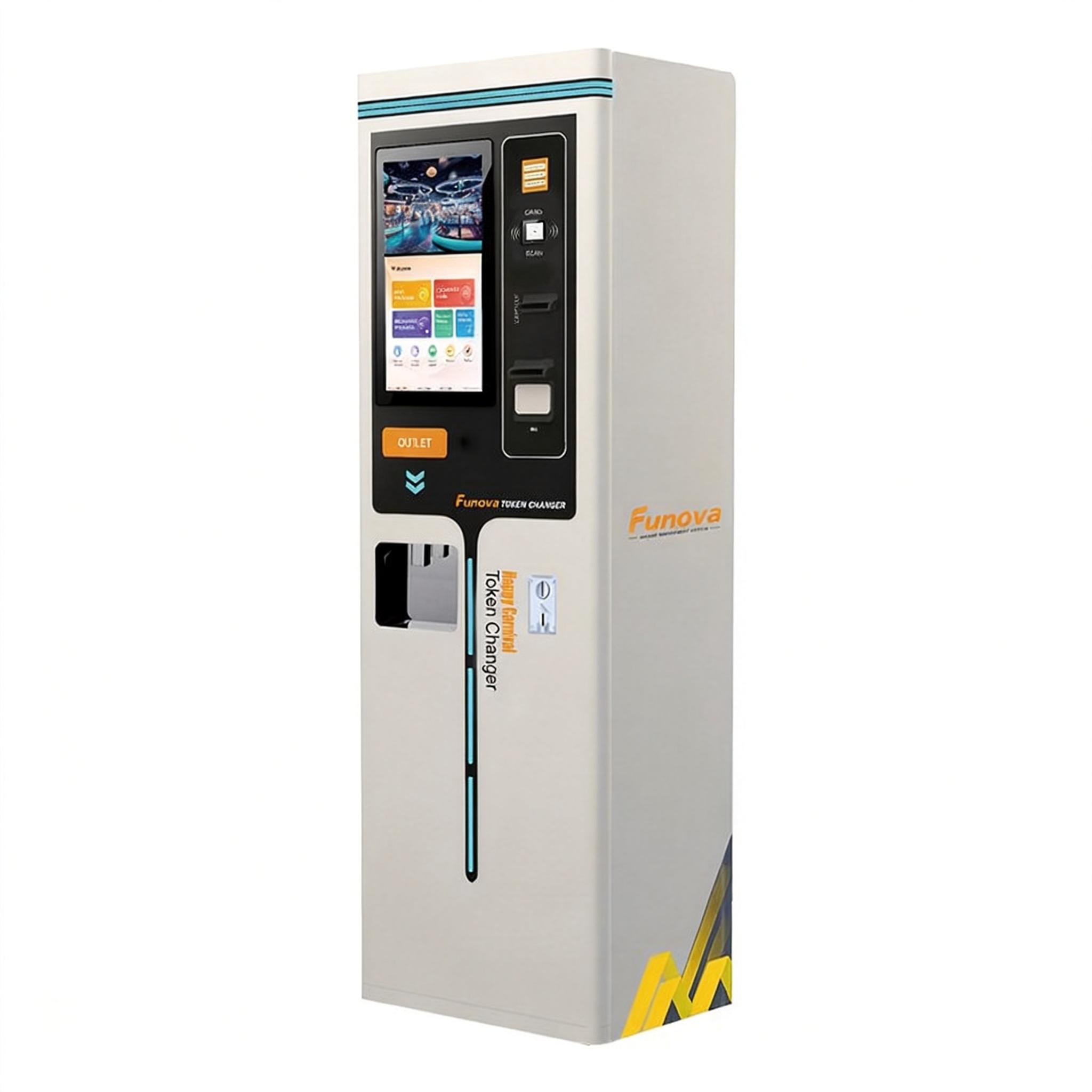
Old school stadium entry systems tend to back up crowds because they rely on central choke points. Picture thousands of fans showing up at once, all heading for those same few main gates. Manual ticket checks and security scans just can't keep up, creating frustrating bottlenecks. What happens is these entry areas become pressure cookers where small problems like a glitchy scanner or someone getting stopped for a random bag check quickly turn into big traffic jams. According to venue managers, most event delays happen right here at entry and registration points. Staff members are constantly trying to handle rush hour conditions but their resources don't scale well with demand. At heart, the problem stems from how everything funnels through fixed stations for ticket scanning, ID checks, and security. These systems simply lack the flexibility needed when crowds surge. That's why some places are experimenting with different approaches like standalone ticket booths scattered around the perimeter instead of relying solely on central checkpoints.
Standalone ticket booths help get rid of those annoying bottlenecks by spreading out the verification process across several different areas around the venue perimeter. Rather than forcing everyone through a single set of gates, these portable units create multiple lanes where people can enter at once, transforming long straight lines into a more fluid, multi-directional flow pattern. When something goes wrong with one unit, the others nearby just pick up the slack so everything keeps moving smoothly. According to numbers from the 2023 IAVM Venue Operations Benchmark Report, places that switched to this decentralized approach saw their busiest entry times drop between 30 and 40 percent compared to old fashioned gate systems. The staff has much better control too they can bring extra units online when things get really busy or redirect folks as needed throughout the day. Each booth works on its own but stays connected to the main system in real time, making sure there's no fraud and keeping the whole process fast and efficient even during peak hours.
The autonomous verification hubs can be set up within around 15 minutes and don't need any permanent infrastructure. They come equipped with built-in solar panels plus backup batteries so they keep running all day long, even when there's no access to regular electricity supply in places like far away parking areas or temporary setups. These devices have special enclosures rated at IP65 which means they handle pretty much anything nature throws at them including heavy rains, dust storms, and temperature extremes from minus 20 degrees Celsius right up to 50 degrees Celsius. We saw this put to the test during last year's cricket finals held during monsoon season where stadiums that installed these systems stayed operational about 98% of the time despite massive amounts of rain falling. The wheels on these units are designed for quick release making it easy to move things around whenever crowds start moving differently throughout an event space. Plus, since everything is modular, venues can adjust how many verification points they need based on expected attendance numbers. Just throw in extra units for big games or spread existing ones across different sections as needed without creating logistical nightmares for staff trying to manage operations.
At the 2023 UEFA Champions League Final in Istanbul, event organizers set up 12 standalone ticket checkpoints around the stadium instead of using the old single gate system they had before. The new approach allowed for better organization with multiple verification points at once. Fans used to wait about 28 minutes to get in during previous finals, but this time around, entry times dropped by nearly half, averaging just 16 and a half minutes. Each ticket house handled well over 1,800 supporters every hour, which stopped those long lines from forming and made things run much smoother when crowds arrived between 6pm and 7:30pm local time. Looking at everything after the match showed some pretty good results too. There was a 30 percent boost in how predictable the entry process was, since people were coming in at more regular intervals now. Plus there were 22% fewer security issues caused by overcrowding situations. And best of all, they managed all this without hiring extra staff members to handle the workload.
During the 2023 preseason, three major NFL venues tested out something new: zoned entry corridors equipped with standalone ticket check stations. The system worked by directing fans into different lanes according to where they were sitting, with around six to eight portable scanners set up in each section to handle everything from scanning tickets to letting people through. What happened next was pretty impressive. The number of people wandering around between different parts of the stadium dropped by almost two thirds, while the time it took to get someone through security went down to less than eight seconds on average. Each corridor could now process over 1,200 fans per hour, way better than the old system's 900 per hour rate. And when game time rolled around? Fans arriving late had much better luck getting in quickly too - about 95% made it inside within 15 minutes of kickoff compared to just 78% before. Stadium staff noticed something else too: they needed about 40% fewer workers at each entrance point, and there were absolutely no problems with bad weather messing things up, even when it poured rain all game day long.
Why do traditional stadium entry points create crowd bottlenecks?
Traditional stadium entry points often rely on a few central locations for ticket checking and security scans, which can lead to congestion when large crowds arrive simultaneously, creating bottlenecks.
What are freestanding ticket houses?
Freestanding ticket houses are portable ticket checkpoints that can be spread throughout a stadium's perimeter, decentralizing the verification process and reducing congestion by allowing multiple entry points.
How have freestanding ticket houses improved stadium entry?
Freestanding ticket houses have reduced wait times and improved flow predictability by allowing decentralized ticket verification, which prevents bottlenecks and keeps lines moving smoothly.
What are the logistical advantages of portable verification units?
These units can be rapidly deployed without permanent infrastructure, are powered by solar panels, are weather-resistant, and are transportable, allowing them to be adjusted based on crowd size and event needs.
Can these systems adapt to varying crowd sizes?
Yes, since the system is modular, venues can easily add or redistribute ticket houses based on expected crowd sizes, helping manage entry efficiently.

 EN
EN