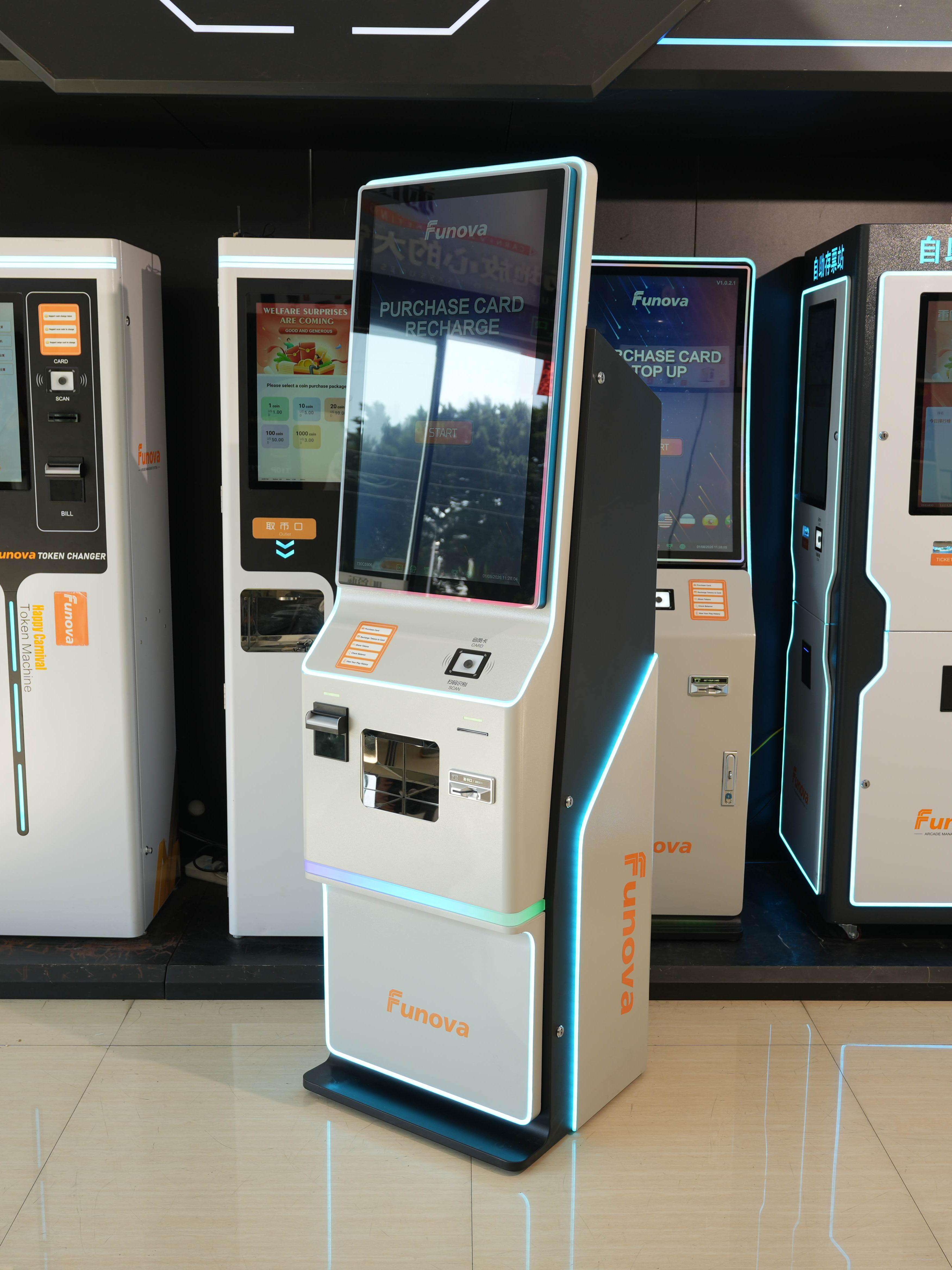
Pay kiosks have changed how stores handle payments, letting shoppers scan their own stuff, pick how they want to pay, and finish up at these easy-to-use machines. Retail staff spend way less time doing basic stuff like counting money, swiping cards, and printing receipts. Some stores report cashier work dropping around 70% each day after installing these systems. Workers now focus on things that actually matter: helping customers who run into problems, showing folks how to use the kiosks when they get stuck, and keeping an eye out for shoplifting issues. These touch-free machines also speed things up and help keep places cleaner, which is super important in busy stores where people want to avoid touching surfaces as much as possible. Stores save money on labor costs when they automate payments, but most importantly, they maintain good service levels even when lines start forming during rush hours.
Putting in an automated pay station kiosk cuts down on front line staff needs somewhere around 30 to 40 percent. That translates roughly into saving about 120 to 160 work hours each month when looking at average wages. The main reason behind this efficiency boost is because all payments get processed through one central point instead of having several cashiers handling transactions separately. Think about it this way: what used to take 1.2 to 1.5 full time employees can now be managed by just one machine. A big name retailer actually saw their workers shift focus from scanning items to managing stock levels once they installed these systems, which helped cut down on those expensive overtime bills by nearly 18% every three months. When we look at ten such kiosks across different locations, companies are talking about saving anywhere between 3,600 and 4,800 man hours per year. And there's another angle too: mistakes happen less often with machines than people. We're talking under half a percent errors compared to 3 to 7% when things are done manually. Plus nobody has to spend time training staff how to handle different payment methods anymore.
Pay kiosks speed things up quite a bit because they cut out all the manual stuff like handling cards and counting cash. They process payments about 22 percent quicker than regular registers do. And this matters a lot during busy hours when even small delays can cause big problems for getting through customers. The numbers back this up too. We've seen around a 17% drop in people leaving queues frustrated. Why? Because these kiosks create extra lanes so folks don't have to stand in line at all. Most shoppers get impatient after waiting just a few minutes anyway. Studies show that roughly 74% of customers simply walk away if there's too much delay. These self-service options tackle exactly that problem head on.
Operational gains extend beyond speed:
Traditional checkout counters typically handle around 12 to 15 transactions per hour, whereas self-service kiosks can manage anywhere from 25 to 30 without getting tired at all. That means stores are turning what would otherwise be wasted time into actual money making moments. About forty percent of shoppers say waiting in line drives them crazy, so these faster options matter beyond just running operations smoother they actually improve the shopping experience too. The machines take care of all the boring stuff like asking for signatures, giving back change, and printing receipts, which lets employees focus on helping with problems that need real human attention instead of being stuck behind registers all day long.
The introduction of automated pay kiosks has changed how stores use their staff because it takes care of those boring payment tasks that used to tie up employees at checkouts. Now workers can roam around the store instead of being stuck behind registers all day. They help customers with tricky questions, suggest products based on what people need, and generally make shopping feel more personalized. Plus, these same employees keep an eye on stock levels as they walk through aisles, which means fewer empty shelves when shoppers want something specific. Some research shows this approach cuts down on missing items by about 19 percent. All those hours saved from handling payments get put into things that actually bring in money and improve the overall shopping experience for customers, ultimately helping businesses save cash while standing out from competitors.
One major retail store rolled out self-checkout stations while completely changing how they staff their stores. Instead of just standing behind registers, cashiers now walk around with tablets, looking for chances to sell extra products when talking to customers. Meanwhile, those kiosks take care of all the actual payments without anyone noticing much. After about ten months on this new system, sales of accessories and warranties went up by roughly 11% compared to last year. People waiting in line saw their wait time cut down by almost a third because employees could spend more time helping customers make big purchases instead of just ringing things up. What we're seeing here is basically smart redeployment of resources combined with better tech integration creating real money growth from teamwork between people and machines.
Most retailers hit their break even point around 14 months after installing those automated payment kiosks at checkout. The main reasons? They save money on wages and speed up transactions across the board. Looking at industry numbers, we see a pretty impressive drop in overall costs over three years - about 28% less when factoring everything together. Why? Fewer mistakes with cash handling, less money spent training staff, and better workforce planning. When stores start adding more kiosks, the cost per unit actually goes down somewhere between 19 to 22%. This pattern was confirmed recently in some major studies done last year by the National Retail Federation. What makes these kiosks so valuable compared to human workers? Well, people have good days and bad days, but machines just keep doing what they're programmed to do consistently day after day. This turns those regular payroll expenses into something that can scale with business needs, and as sales grow, the return on investment from these tech solutions keeps getting better too.
Automated paystation kiosks are used to allow customers to scan, pay, and complete their transactions by themselves, reducing the need for human cashiers and speeding up the checkout process.
Businesses can reduce frontline labor hours by 30 to 40% per kiosk, saving around 120 to 160 work hours per month.
Automated kiosks reduce average transaction times by about 22% and decrease queue abandonment by 17%, while also preventing costly reconciliation mistakes.
Kiosks free up staff to engage in more valuable activities like customer assistance and inventory management, rather than being tied to transactional roles.
Most businesses reach a break-even point around 14 months after kiosk deployment, and see a 28% cost reduction over three years.

 EN
EN