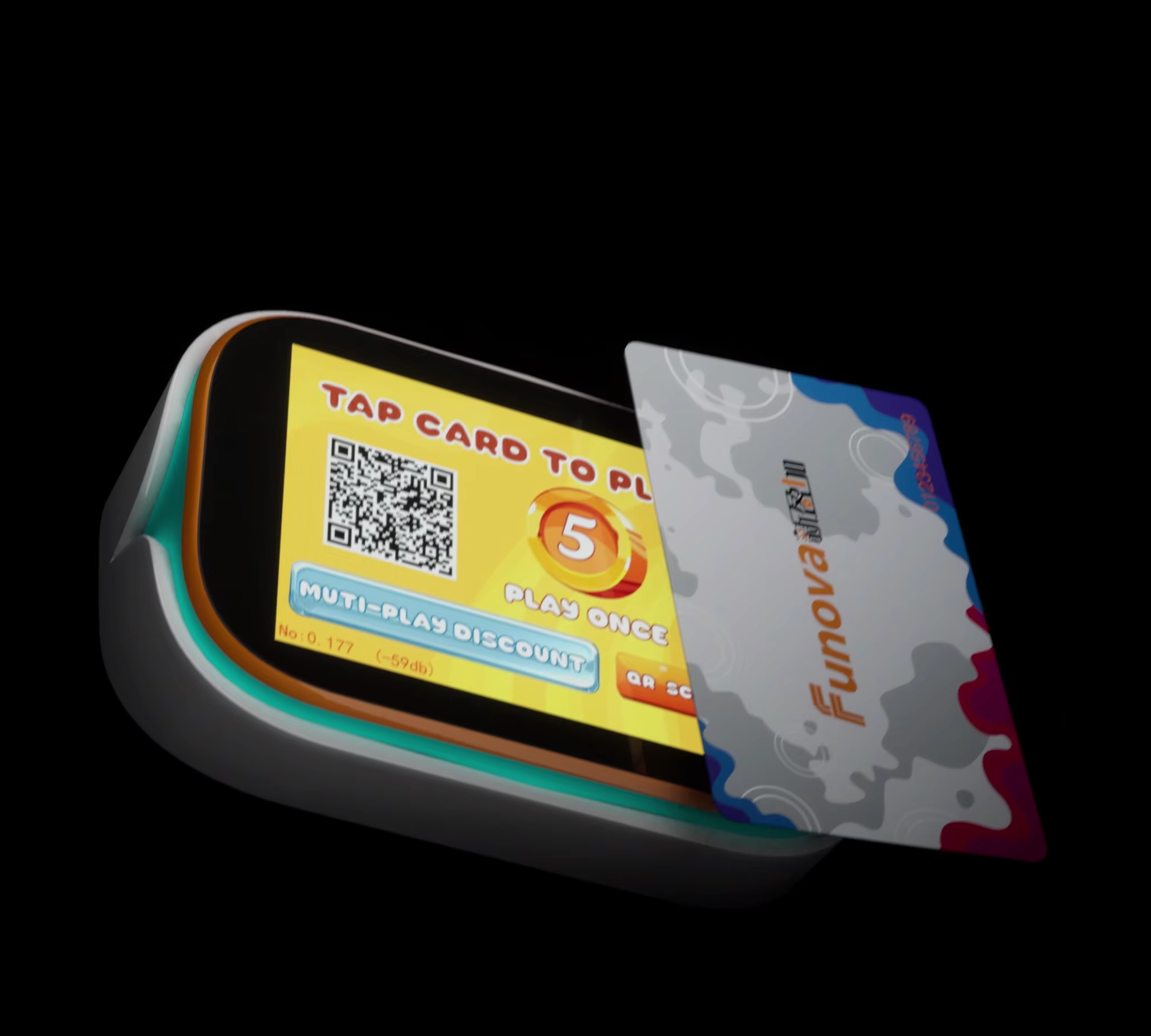
Since the pandemic hit in 2020, public health has become a top concern for many people. A recent 2023 study on built environments found that nearly 8 out of 10 consumers want touch-free options instead of regular payment methods. Contactless card readers help solve this problem by getting rid of the need to touch PIN pads or handle cash. These surfaces can actually hold germs for as long as three days straight. Looking at research from public transit stations, scientists discovered that payment terminals had about 38 percent more viruses compared to nearby surfaces. This clearly shows why older payment systems pose such a risk when it comes to spreading infections.
The tap-and-go payment process happens in less than half a second, which cuts down on hands touching surfaces by almost 95% when compared to handling cash. City planners are taking note of this benefit and changing up those spots where people usually get exposed, such as bus ticket machines and snack dispensers around town centers. They're making things flow better so folks don't have to touch much at all while moving through public spaces, something that actually matches what health organizations recommend for keeping germs away. When they tested contactless payments across several major European train stations over the course of a year, doctors noticed that regular travelers caught fewer colds and flu viruses, about 17% less than before implementing these new payment methods.
Contactless card readers really help cut down on wait times in hectic spots where people are constantly rushing around. Let's look at some numbers from a recent tech study in 2023: cash transactions typically take about 25 seconds, while chip cards still clock in at 18 seconds. But contactless payments? Those zip through in just 12 seconds flat. That means almost half the time saved compared to other methods. The difference matters a lot during peak hours at places like sports arenas or coffee shops packed with commuters grabbing their morning brew before work. We actually saw this play out when several big retailers started tracking their sales data. Stores that switched to contactless tech were able to serve nearly a quarter more customers each hour compared to branches stuck with old fashioned payment systems. Makes sense why so many businesses are making the switch these days.
City transportation centers have started using those tap-and-go cards to get rid of those long lines for buying tickets, which has been a real pain point especially when rush hour hits. Take London for instance, their transport folks saw boarding times drop by almost half once they rolled out these contactless payment options. Most people love it too, with nearly nine out of ten saying they appreciate getting on board quicker than before. Looking at numbers from last year's city movement study, we find something interesting happening at train stations equipped with these modern payment systems. Morning rush crowds seem to be calmer now, with platforms seeing about a third less crowding compared to what used to happen. The smoother flow just makes sense for everyone involved.
According to Statista's 2023 data, around two thirds of shoppers now prefer stores and eateries that have contactless payment options available. People seem drawn to these systems because they cut down on touching surfaces and make checkout about 30 seconds faster than handing over cash. Fast food places have noticed something interesting too. Many report keeping customers back for second visits at rates about 22 percent higher once they switch to contactless tech. Diners just start to see digital payments as part of what makes a restaurant feel up to date and well run these days.
According to the 2024 Urban Mobility Study, around 84 percent of people who use public transport feel contactless payments are actually safer compared to dealing with cash or pressing those PIN pads. Places like train stations and bus terminals that switched to these systems saw roughly 40% drop in complaints regarding payment cleanliness issues. Plus, transactions still happen really fast, usually under two seconds. When folks see these visible safety steps combined with quick service times, it builds trust among riders. And building that trust matters a lot for getting people back into crowded areas after everything we've been through during the pandemic.
Integrating contactless card readers into urban infrastructure marks a pivotal shift in public service delivery. Municipalities worldwide are adopting these systems to modernize transit networks, automate ticketing, and enable cashless transactions in vending machines, responding to post-pandemic demands for safer, more efficient cities.
The real game changers when it comes to these technologies? Public transportation systems are seeing results almost right away. According to some research from the Urban IoT Integration folks back in 2024, those fancy contactless card readers at bus stops cut down how long people spend getting on board by around 35 percent compared with old fashioned paper tickets. Cities all over the place have started implementing this tech so riders can pay the same way whether they're hopping on a bus, catching a train ride, or grabbing one of those shared bikes. Plus, it means fewer touchpoints for passengers since those bulky ticket machines are being phased out entirely.
Vending machines with contactless capabilities have also improved reliabilityârecent deployments in European subway stations cut maintenance costs by 22% by eliminating coin jams and vandalism. The technology extends to museums and parks, where touchless entry systems combine payment processing with capacity management through mobile apps.
Cities with contactless infrastructure report 15â20% lower operational costs than cash-dependent systems, according to smart city assessments. Cloud-based platforms allow municipalities to launch pilot programs in high-traffic areas like transit hubs before expanding to utilities and parking enforcement.
Ongoing challenges include cybersecurity and interoperability. Leading providers offer modular systems with backward compatibility and built-in fraud detection. A U.S. smart city case study found that standardized API frameworks reduced software updates by 40% compared to early mobile payment systems.
Switching to contactless card readers cuts down on costs because there's less need for handling cash, something that drains around $40 billion each year from businesses according to Federal Reserve data from 2023. Plus, automated payment systems make it harder for fake cards to work their way through the system. The 2022 Nilson Report found that contactless payments actually had about 35 percent fewer cases of fraud compared to old fashioned swiping methods. All these money savings mean companies can spend more on things that really matter to customers like better service or faster checkout times instead of just trying to keep up with cash management headaches.
Transit agencies that switched to contactless payments saw boarding times speed up by around 22%, according to recent data. Meanwhile, hospitals are processing roughly 18% more patient transactions each hour since implementing similar systems, as noted in the latest Smart Payment Technology Report from 2024. The time saved allows workers to actually get back to what matters most their jobs managing routes and providing quality care. Cities installing those smart kiosks have noticed something else too real time payment tracking cuts down on admin work by about 30 hours every week at each location. That kind of efficiency makes it possible for public services to grow without constantly adding more staff to handle paperwork.

 EN
EN